

Ashiatsu and Shiatsu massage may sound very similar, but they are two different techniques with distinct methods of application and a different overall experience during the session. The main difference lies in the way pressure is applied to the body: Shiatsu mainly uses the fingers and palms, while Ashiatsu primarily involves the therapist’s feet.
Choosing between Ashiatsu vs Shiatsu depends on the type of pressure you prefer, the areas you would like to focus on, and the overall massage experience you are looking for. Below, we explore the main differences between the two techniques, how each one is performed, and which option may better suit your individual needs.
Ashiatsu and Shiatsu: Why Do the Names Sound So Similar?
The terms Ashiatsu and Shiatsu sound quite similar, which often causes confusion. However, the names themselves reveal the main difference between the two techniques. In Japanese, “atsu” means pressure, while “shi” refers to fingers and “ashi” refers to feet.
Therefore, Shiatsu massage is mainly based on applying pressure with the fingers, thumbs, and palms to specific areas of the body. In contrast, Ashiatsu massage primarily uses the therapist’s feet, allowing pressure to be applied more broadly and evenly over larger muscle areas.
Although both techniques are based on pressure, the way this pressure is applied creates a different sensation and a different experience during the massage. For this reason, choosing between Ashiatsu and Shiatsu largely depends on the type of pressure and massage experience each person prefers.
What Is the Main Difference Between Ashiatsu and Shiatsu?
The main difference between Ashiatsu and Shiatsu massage is the way pressure is applied to the body. In Shiatsu, the therapist mainly uses the fingers, thumbs, and palms to apply more targeted pressure to specific points. In Ashiatsu, the therapist primarily uses the feet, allowing pressure to be distributed over a larger surface area.
This means that Shiatsu usually provides a more focused sensation of pressure, while Ashiatsu can create a deeper yet more evenly distributed feeling across larger muscle groups. The overall experience is therefore different, even though pressure is a key element of both techniques.
There is no single option that is better for everyone. The most suitable massage depends on the level of intensity you prefer, the areas of the body you want to focus on, and whether you prefer more targeted or broader pressure.
How Is Shiatsu Massage Performed?
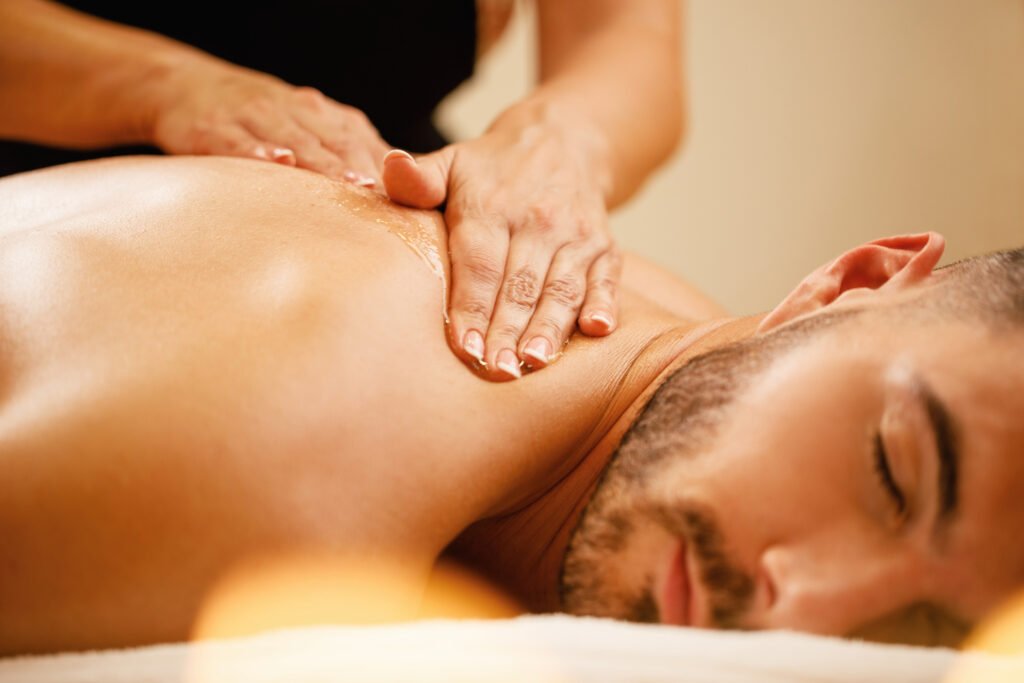
Shiatsu massage is performed using targeted pressure on specific areas of the body, mainly with the fingers, thumbs, and palms. The therapist adjusts the intensity depending on the area being treated and the individual needs of the client, creating a more controlled and focused pressure experience.
Unlike other massage techniques that rely mainly on continuous kneading or stroking movements, Shiatsu is characterised by steady and rhythmic pressure. It is usually performed without oil and, depending on the type of session, the client may remain dressed in comfortable clothing.
Shiatsu can be a suitable option for people who prefer greater precision at specific pressure points and a different experience from a traditional massage. For more information about the technique, you can explore the dedicated Shiatsu massage page at DM Massage.
How Is Ashiatsu Massage Performed?
Ashiatsu massage is mainly performed using the therapist’s feet, which makes it possible to apply pressure over a larger area of the body. This allows the pressure to be deep while at the same time being distributed more evenly compared with techniques that rely mainly on the fingers or thumbs.
During the session, the therapist carefully controls the intensity and direction of the pressure, adapting the technique to the individual needs and preferences of each person. Ashiatsu is particularly useful for larger muscle areas, such as the back and legs, where the surface of the foot can provide a broader sensation of pressure.
Compared with Shiatsu, Ashiatsu massage usually offers a different experience because the pressure is less focused on individual points and more broadly distributed. For people who prefer deeper and more even pressure over larger areas of the body, Ashiatsu can be an especially interesting option.
Ashiatsu or Shiatsu: Which Massage Should You Choose?
The choice between Ashiatsu and Shiatsu massage depends on the type of pressure you prefer, the areas of the body where you would like more attention, and the overall experience you are looking for from your session.
Shiatsu may be more suitable for people who prefer more targeted and controlled pressure on specific areas of the body. Ashiatsu, on the other hand, provides broader and deeper pressure, mainly applied with the feet and distributed across larger muscle groups.
However, you do not necessarily need to know in advance which technique is best for you. At DM Massage, the specialised therapist can assess your needs during your appointment, identify the areas where you experience more tension, and take into account the level of pressure you prefer in order to recommend the most suitable technique.
Therefore, the best choice is not always simply “Ashiatsu or Shiatsu”, but rather a massage tailored to the needs of your body, using the appropriate technique and pressure level for your individual session.
Frequently Asked Questions About Ashiatsu and Shiatsu Massage
Is Ashiatsu the same as Shiatsu?
No. Although the names sound similar, they are different techniques. In Shiatsu massage, pressure is mainly applied with the fingers, thumbs, and palms, while Ashiatsu massage primarily uses the therapist’s feet.
What is the main difference between Ashiatsu and Shiatsu?
The main difference is the way pressure is applied. Shiatsu focuses more on specific points, while Ashiatsu allows for broader and more evenly distributed pressure over larger muscle areas.
Which is stronger, Ashiatsu or Shiatsu?
The intensity can be adjusted in both techniques. Ashiatsu can provide deeper pressure over a larger surface because the therapist uses the feet, while Shiatsu allows for more focused and controlled pressure on specific points.
How do I know which massage is right for me?
The choice depends on the needs of your body, the areas where you would like more attention, and the level of pressure you prefer. At DM Massage, the specialised therapist can guide you and recommend the most appropriate technique during your appointment.
Can the massage session be adapted to my needs?
Yes. The level of pressure, the areas of focus, and the technique can be adjusted according to each person’s preferences and individual needs, helping to create a more personalised massage experience.